The Australian government has announced A$26 million in funding for Perth-based Element Zero to pilot technology aimed at producing high-purity iron from Australian iron ore through a lower-emissions electrochemical process.
The funding will be provided through the Future Made in Australia Innovation Fund, administered by the Australian Renewable Energy Agency (ARENA), and will support Element Zero's A$53.7 million project.
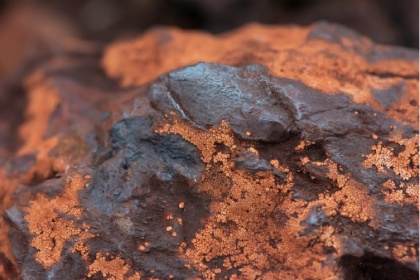
Electrochemical process to produce iron without coal
The project will test an electrochemical ironmaking process that uses electricity and molten salts to convert iron ore into iron without relying on coal. According to the government, the technology is designed to operate at temperatures of approximately 400-450°C, significantly below those typically required in conventional ironmaking.
The project will be implemented in two stages. In the first stage, Element Zero will establish a pilot plant capable of producing approximately one mt of iron per day. Subject to a formal review, the second stage will increase production capacity to 10 mt per day. The pilot will process different types of Australian iron ore, including hematite-goethite ores, to demonstrate the technology's potential to Australian and international steelmakers.
Project to test lower-emissions pathway for Pilbara iron ore
The Australian government stated that the project could provide a pathway for Pilbara iron ore to be used in lower-emissions iron production, while enabling the country to capture more value from its iron ore resources and strengthen domestic industrial supply chains.
The investment forms part of ARENA's portfolio of projects exploring potential pathways for green iron production at scale, including hydrogen-based technologies. Green metals are also among the priorities of the Australian government's Future Made in Australia agenda.
Australian minister for climate change and energy Chris Bowen stated that the project could help add value to Australian iron ore and reduce emissions from one of the most difficult industrial sectors to decarbonize. Meanwhile, resources minister Madeleine King said that such projects could support the development of new methods for converting Australian resources into higher-value products domestically.