Marcegaglia Stainless Sheffield, the UK-based subsidiary of Italian steelmaker Marcegaglia Group, has stated that concerns over the impact of steel quotas on downstream industries could be addressed by increasing purchases of domestically produced standard stainless steel long products while maintaining imports of specialist grades.
According to Liam Bates, president of Marcegaglia Stainless Sheffield, the UK market for stainless steel long products was previously estimated at 33,000 mt. Following the latest government review, two product codes not manufactured by the company were removed, reducing the effective market size to approximately 30,000 mt. The removed categories mainly consisted of specialist sizes and grades.
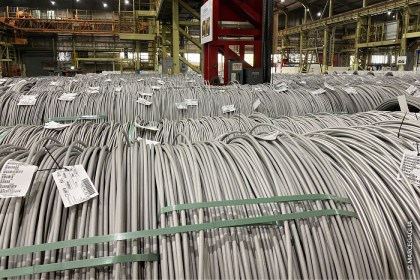
UK tariff-free quota increased to 20,000 mt
At the same time, the UK government increased tariff-free quotas to 20,000 mt per year. Bates stated that this means approximately two mt can be imported tariff-free for every one metric ton produced domestically. Even assuming that the entire market were supplied through imports, he estimated that the average tariff impact across the market would be around 17 percent.
Bates noted that standard products account for most UK demand and can largely be manufactured domestically. However, a significant share of UK stainless steel distribution is wholly or partly owned by European bar producers or their parent companies, which have traditionally supplied the UK from their European production facilities.
Domestic sourcing could preserve quotas for specialist grades
According to Bates, importers could respond to the changing trade environment by sourcing a larger share of their standard and interchangeable requirements from British producers while continuing to import specialist grades that are less readily available domestically. Such a shift would leave more quota capacity available for specialist products.
Marcegaglia Stainless Sheffield is also expanding its product offering to serve a broader UK customer base. Bates stated that greater domestic sourcing could support UK manufacturing while preserving distribution networks and maintaining the competitiveness of specialist supply chains.