Kazakhstan has extended its ban on exports of ferrous and non-ferrous metal scrap for another six months, effective November 1, 2026. The measure was introduced on October 29 and applies to shipments by all modes of transport.
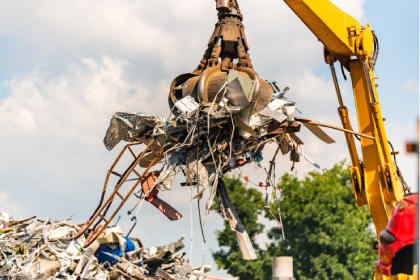
The extension continues Kazakhstan's policy of restricting scrap exports, which authorities have previously described as a means of securing raw material supplies for domestic metallurgical companies and supporting local processing enterprises.
Restrictions cover scrap, used pipes and railway materials
The ban includes ferrous waste and scrap classified under HS code 7204, as well as remelting scrap ingots. It also covers used pipes, rails, railway track components and specified rolling stock parts, with relevant products falling under headings 7302, 7303, 7304, 7305, 7306 and 8607.
Kazakhstan has repeatedly imposed scrap export restrictions since at least 2013, although their scope has changed over time. The broader ban covering ferrous and non-ferrous scrap shipments by all modes of transport was established in late 2024 and has subsequently been renewed through successive six-month measures.
Limited exemptions remain for repair operations
Exemptions apply to specified used rolling stock components temporarily moved across the border for repairs and subsequently returned. Companies undertaking these operations must submit repair contracts and, where applicable, customs declarations to the ministry's Committee of Industry at least five working days before the planned border crossing. Certificates of completed work must also be submitted within five working days after the goods enter Kazakhstan.