German automaker Volkswagen is closing its Dresden plant today, marking the first time in the carmaker’s 88-year history that it will end production at a site in Germany, according to a report by the Financial Times. The decision reflects mounting pressure on the automaker amid weak demand across its key markets and ongoing efforts to reduce capacity at home.
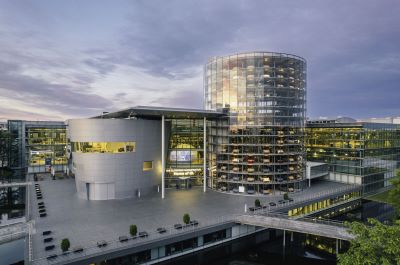
The closure comes as Volkswagen faces cash-flow constraints driven by slowing sales in China, soft demand in Europe and the impact of US tariffs on vehicle sales in North America.
Dresden plant closure part of broader capacity reduction
The Dresden facility, which began production in 2002, has produced fewer than 200,000 vehicles in total, which is less than half of the annual output of Volkswagen’s main plant in Wolfsburg. The move represents a limited but symbolic step in Volkswagen’s broader plan to reduce manufacturing capacity in Germany.
The production halt forms part of an agreement reached with unions last year, under which the Volkswagen brand is expected to cut 35,000 jobs in Germany over time. However, the decision had not been taken lightly but was considered economically necessary, the company said.
Following the end of vehicle production, the site will be leased to the Technical University of Dresden, which plans to establish a research campus focused on artificial intelligence, robotics and semiconductor technologies. Volkswagen and the university have committed to investing €50 million over the next seven years in the project.
Despite the production shutdown, Volkswagen has said it will continue to use the facility for vehicle deliveries to customers and as a tourist attraction.