Germany-based thyssenkrupp Steel Europe's direct reduced iron (DRI) plant under construction in Duisburg is now scheduled to begin operations in 2029 instead of 2027, according to a European Commission decision. The two-year postponement reflects construction delays associated with the project's innovative nature.
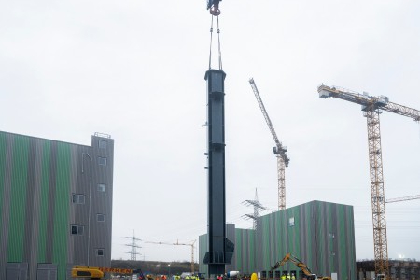
DRI plant to replace one blast furnace
The tkH2Steel project will replace one of the site's four coal-based blast furnaces with a direct reduction plant capable of producing 2.5 million mt/year of DRI. Two associated melting units will have a combined capacity of 2.3 million mt/year of hot metal.
The configuration will allow thyssenkrupp to retain its existing downstream steelmaking processes and product qualities. The project will replace existing output without increasing hot metal or steel production at Duisburg, supporting the company's longer-term transition toward climate-neutral steelmaking by 2045.
Hydrogen transition to proceed more gradually
The plant's hydrogen ramp-up will proceed more slowly than initially envisaged, with greater natural gas use reflecting changed energy costs and additional technical requirements identified during project development.
As previously reported by SteelOrbis, the European Commission has approved revised terms for the project's €2 billion public funding package, allowing greater flexibility in the transition to hydrogen.