The Trade Union of Metallurgists and Miners of Ukraine has warned that the full implementation of the European Union’s Carbon Border Adjustment Mechanism (CBAM) from January 1, 2026, could trigger a severe economic shock for Ukraine while the country remains engaged in a full-scale war with Russia.
According to the union, Ukrainian industry continues to operate under extraordinary conditions, including active hostilities, destroyed infrastructure, disrupted logistics and acute labor shortages. In this environment, companies lack the capacity to absorb additional regulatory and cost burdens linked to CBAM compliance.
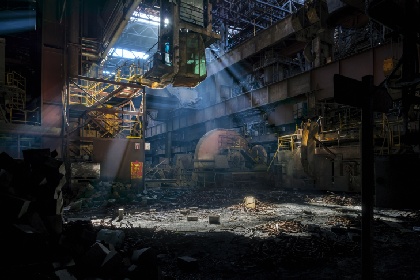
Mining and steel sector faces heightened exposure
The mining and metallurgical sectors are identified as particularly vulnerable. Industry estimates indicate that around 40 percent of Ukraine’s mining and steel production capacity has already been lost since the start of the war.
The National Mining Association of Ukraine estimates that the first year of CBAM’s full application could cost the national economy more than $200 million. The Federation of Metallurgists has warned that CBAM could trigger a structural collapse of the mining and steel sector, which remains a cornerstone of Ukraine’s economy, export revenues and defense-related industrial capacity.
The trade unions also highlighted social risks, warning of potential job losses and rising instability in frontline industrial cities including Zaporizhia, Nikopol, Pavlohrad, Kryvyi Rih and Dnipro.
ArcelorMittal Kryvyi Rih shutdown cited as first concrete impact
According to the trade unions, the first concrete impact of CBAM has already materialized. Last week, ArcelorMittal Kryvyi Rih announced that it will suspend operations at its blooming mill in the second quarter of 2026.
Natalia Marynyuk, head of the plant’s trade union, stated that the decisive factor behind the decision was the European Commission’s choice to implement CBAM without exemptions or transitional arrangements for Ukrainian producers operating under wartime conditions.
Export competitiveness and production viability under pressure
CBAM is expected to pose a direct threat to Ukraine’s export-oriented and carbon-intensive steel industry. Trade unions and producers warn of multiple negative consequences, including loss of competitiveness due to CBAM certificate costs, higher production expenses, declining exports, shutdowns of production units, job losses, and reduced GDP and tax revenues.
For ArcelorMittal Kryvyi Rih alone, additional CBAM-related costs are estimated at $60-90 per metric ton, rendering its products uncompetitive in the EU market. The company reported that European customers have already halted orders, resulting in the loss of approximately 1.25 million mt of planned exports for 2026.
Legal basis cited for temporary exemption
Ukrainian authorities argue that the EU has overlooked Article 30(7) of Regulation (EU) 2023/956, which allows for the postponement or adjustment of CBAM in cases where unforeseeable and exceptional events cause serious damage to industrial infrastructure.
According to Ukrainian stakeholders, the ongoing war and destruction of industrial assets meet these criteria and could legally justify a temporary exemption or transition period for Ukraine during the period of martial law.
Unions call for transitional measures and EU support
Without regulatory relief, ArcelorMittal Kryvyi Rih has warned that further shutdowns could follow, including a blast furnace and downstream processing units, potentially leading to layoffs.
Ukrainian trade unions have formally called on the EU to introduce transitional measures, targeted support instruments, dedicated financial assistance and modernization funds, and structured dialogue with labor representatives on CBAM implementation. The appeal has been supported by trade unions across multiple sectors and submitted to the EU Ambassador to Ukraine, Katarina Mathernova.