The magnitude 7.1 earthquake that struck Japan's Kumamoto prefecture on July 28 has prompted inspections at local steel facilities and disrupted transport infrastructure across southern Kyushu, although the initial impact on regional steel production appears limited and localized, according to local media reports.
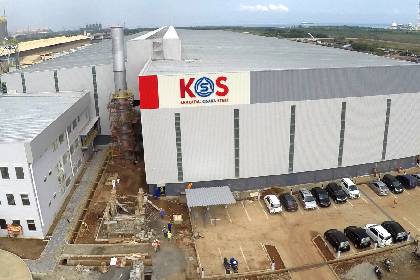
Japan-based electric arc furnace producer Osaka Steel has announced that all employees at its West Japan Kumamoto plant in Uto have been confirmed safe, while inspections of the facility's buildings, production equipment and steel inventories are continuing. No fires or other secondary incidents have been detected, and production was already suspended for scheduled summer maintenance when the earthquake occurred, meaning that no additional earthquake-related output loss has been confirmed so far. The company stated that it would disclose any material financial impact once the damage assessment is completed.
Osaka Steel's West Japan Kumamoto plant, which produces rebar, round bars and angles, is southern Kyushu's only electric arc furnace-based steel facility and operates an integrated steelmaking and rolling line. Meanwhile, Japanese industry sources have reported that Kyushu Maruichi Steel Tube, located in Nagasu, temporarily inspected its facilities before resuming normal operations, indicating that the earthquake has not caused a widespread shutdown among the region's steel producers.
Nevertheless, steel supply and distribution in southern Kyushu may face short-term delays due to extensive infrastructure damage. Japan's Ministry of Land, Infrastructure, Transport and Tourism reported closures on sections of the Kyushu and Minami-Kyushu expressways because of road and bridge damage, together with significant disruption to the Kyushu Shinkansen and conventional railway services. Yatsushiro port also sustained liquefaction, subsidence and pavement damage around its container terminal, although some berths remained accessible following emergency repairs. These conditions may restrict ferrous scrap deliveries and finished steel shipments even if production equipment remains operational.
The earthquake has also affected major steel-consuming industries, particularly the automotive sector. Honda suspended operations at its Kumamoto plant through July 31 to inspect equipment and complete repair work, while automotive component producer Aisin halted production at Aisin Kyushu and began recovery operations, although its AT-K Kyushu foundry and other regional facilities did not sustain damage affecting output. Local Japanese reports also indicated temporary stoppages at Toyota Motor Kyushu's plants in neighboring Fukuoka amid concerns regarding worker safety, logistics and component availability.
Accordingly, the earthquake's immediate effect on Japan's overall steel supply is expected to remain limited, since no major disruption has been reported at the larger steelmaking centers in northern Kyushu. However, the final impact on the regional market will depend on the results of Osaka Steel's equipment inspections, the restoration of road, railway, port and water infrastructure, and the pace at which automotive and other manufacturing facilities return to normal operations.