Japanese steelmaker JFE Steel has announced that it has successfully produced a prototype of reduced iron using green hydrogen for the first time, marking a milestone in the country's efforts to reduce carbon emissions from steelmaking.
The achievement was made under the New Energy and Industrial Technology Development Organization's (NEDO) Green Innovation Fund project on hydrogen utilization in steelmaking processes, which focuses on developing direct hydrogen reduction technology using only hydrogen. The prototype was produced using green hydrogen supplied from a hydrogen production facility developed under NEDO's Hydrogen Society Construction Technology Development Project and a direct hydrogen reduction test facility constructed as part of the steelmaking project.
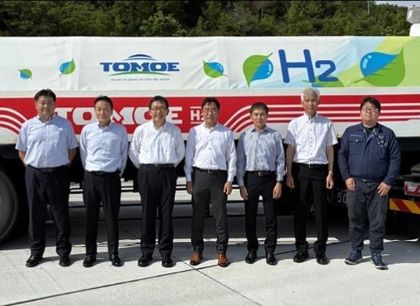
GREINS consortium supports hydrogen steelmaking development
The steel industry accounts for approximately 14 percent of Japan's total carbon emissions, making it the country's largest industrial source of emissions. To address this challenge, Nippon Steel Corporation, JFE Steel Corporation, Kobe Steel, Ltd., and the Japan Research and Development Center for Metals (JRCM) established the Hydrogen Steelmaking Consortium (GREINS) in 2022 to develop technologies aimed at significantly reducing carbon emissions.
The project combines technology development with preparations for commercial implementation and involves cooperation with numerous domestic research institutions. As part of the project, two direct reduction test facilities with different scales and specifications have been constructed, with technology development beginning in fiscal year 2024.
Pilot trial produces one metric ton of reduced iron
The hydrogen reduction trial was carried out between June 29 and July 1 at a small pilot plant with a production capacity of 15 kg/hour located at JFE Steel's East Japan Works (Chiba area). During the trial, approximately one metric ton of reduced iron was successfully produced, confirming that iron ore can be stably reduced using green hydrogen.
Looking ahead, NEDO stated that it will continue supporting the project to accelerate the commercial implementation of direct hydrogen reduction technology. However, the organization noted that achieving carbon neutrality in the steel industry will also require securing large volumes of low-cost hydrogen and advancing technologies such as carbon capture, utilization and storage (CCUS) through cooperation with industries beyond steelmaking.