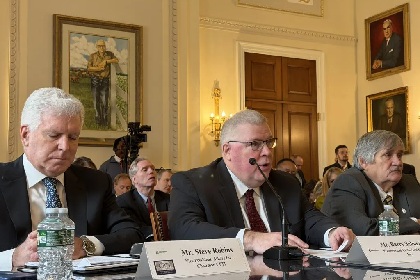
Barry Schneider, president and COO of US steelmaker Steel Dynamics and chairman of the US-based Steel Manufacturers Association, told lawmakers at the annual State of Steel hearing at US Congress that the US steel industry is currently on a solid footing. He attributed this resilience to the focus of the US administration on revitalizing domestic manufacturing and to congressional tax reforms that have supported industrial investment.
However, Mr. Schneider cautioned that structural challenges remain. He pointed to continued global steel overcapacity, particularly linked to China, elevated interest rates and shortcomings in the US permitting system as persistent risks to the sector’s competitiveness.
Calls for stricter enforcement of Section 232 tariffs
Schneider urged the administration to remain vigilant in enforcing Section 232 steel tariffs, warning that any weakening of enforcement could trigger a renewed surge of unfairly traded imports. In his view, consistent application of trade remedies is essential to prevent dumped or subsidized steel from displacing US production and undermining recent gains in domestic manufacturing.
He also called on Congress to advance policies that enable US steelmakers to compete effectively and grow.
USMCA rules seen as key vulnerability
A central focus of Schneider’s testimony was the importance of maintaining and strengthening the United States-Mexico-Canada Agreement (USMCA). He argued that delays in implementing critical provisions, particularly melt-and-pour rules, have allowed continued inflows of non-market steel into North America.
According to Schneider, stronger rules of origin are needed, including higher steel content thresholds, immediate enforcement of melt-and-pour requirements and tighter restrictions on investment from non-market economies.
Legislative priorities and infrastructure investment
On the legislative front, Schneider encouraged Congress to advance the Leveling the Playing Field 2.0 Act, which is designed to address transnational subsidies and successive dumping cases more effectively. He also stressed the importance of sustained federal infrastructure spending, combined with robust Build America, Buy America requirements, to support domestic steel demand.
He concluded that disciplined trade enforcement and a coherent industrial policy framework are critical to safeguarding US steel production, national security and long-term manufacturing competitiveness.
Broad industry backing for tougher trade stance
Also testifying at the hearing, Ben Pickett, executive vice president of US steelmaker Nucor and vice chairman of the Steel Manufacturers Association, echoed these concerns. He told lawmakers that US steelmakers play a vital role in strengthening the domestic economy, providing high-wage jobs and reinforcing national industrial security.