The Ukrainian Steel Association Ukrmetallurgprom has called on Ukrainian Prime Minister Serhiy Koretsky to cancel a proposed 30 percent increase in railway freight tariffs, warning that the measure would further threaten Ukraine's mining and metallurgical industry, which is already operating under severe wartime conditions.
According to the association, most Ukrainian mining and steelmaking facilities are located in regions exposed to continued Russian attacks and are facing significant operational challenges. These include the continued blockade of seaports and more restricted access to the European Union, Ukraine's key export market for steel products, following the European Commission's introduction of new import quotas and the Carbon Border Adjustment Mechanism (CBAM).
Ukrmetallurgprom argued that imposing additional transportation costs under these circumstances could force producers to reduce output or suspend operations altogether, resulting in lower export revenues, reduced tax income and broader risks to Ukraine's economy and national security.
Rising logistics costs erode steel competitiveness
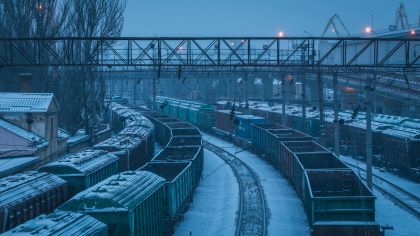
The association emphasized that railway transport costs play a critical role in steel production because manufacturing one metric ton of finished steel requires transporting around three metric tons of raw materials, including iron ore, coal, coke, refractories and fluxes. According to Ukrmetallurgprom, railway transportation costs for both raw materials and finished steel products have more than doubled during the second half of 2026. Combined with additional transit costs through neighboring countries, export logistics via Danube ports and western border crossings have become two to three times more expensive, substantially increasing export costs and reducing the competitiveness of Ukrainian steel in both domestic and international markets.
Ukrmetallurgprom stated that these logistical challenges cannot be resolved without reopening Ukraine's Black Sea ports, describing the restoration of maritime exports as the only sustainable long-term solution for rebuilding the industry's international competitiveness. It also criticized state-owned railway operator Ukrzaliznytsia, arguing that the company has sufficient internal resources to address its financial challenges but continues to shift the burden onto industrial sectors through repeated freight tariff increases.
Industry proposes alternative approach
Ukrmetallurgprom urged the Ukrainian government to cancel the planned 30 percent tariff increase and restore railway freight rates to their January 1, 2026, levels. The association also called on the government to prioritize efforts to unblock Ukrainian seaports, arguing that there is no viable long-term alternative for export logistics. According to Ukrmetallurgprom, only after maritime exports are restored should discussions on a more moderate railway freight tariff increase of 8-14 percent during 2026-2027 be considered.