Turkey-based Tosyalı Holding is preparing to launch automotive steel production in Algeria, with first deliveries to global customers expected in the third quarter of 2026, according to a report by Bloomberg HT.
The move is part of the company’s ongoing $2.5 billion investment in the country.
Capacity expansion and product focus
The investment is expected to increase the company’s liquid steel capacity by 3 million mt, with a target to double daily output from 50,000 mt to 100,000 mt.
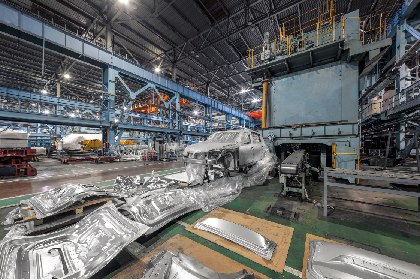
Out of the facility’s 1.6 million mt capacity, approximately 700,000 mt will be dedicated to automotive steel production. The project will also provide raw material supply for oil and gas pipe manufacturing.
Strengthening global positioning
According to Chairman Fuat Tosyalı, the company has climbed from 84th place in 2020 to 46th place in 2024 among global steel producers, with a medium-term goal of entering the top 20.
The group exceeded $2 billion in exports in 2025, accounting for 12 percent of Turkey’s total steel exports, and now targets more than $3 billion in exports.
Advanced production capabilities
Tosyalı highlighted its ability to produce hot rolled coil as thin as 0.80 mm using 300-ton ladles, eliminating the need for additional downstream thinning processes. This capability improves efficiency and reduces intermediate processing steps for industrial users.
Sustainability remains a central pillar of Tosyalı’s strategy. Over the past five years, the company has invested $6 billion, largely focused on green initiatives. Solar power capacity is expected to reach 1.2 GW by 2025, with panel production already underway in Osmaniye, targeting 50 percent of total energy consumption from solar energy.
The company is also advancing R&D in hydrogen-compatible DRI production and hydrogen usage in steelmaking processes.
Market pressure from imports
Tosyalı noted that capacity utilization rates in Turkey’s steel sector have declined to around 60 percent due to increased imports from the Far East.
The company emphasized that domestic production capacity is sufficient to meet local demand, while warning that low-priced imports continue to put pressure on the market.