Mexican lawmakers have approved a bill implementing a broad set of new import tariffs against countries without a free trade agreement with Mexico, affecting more than 1,400 products, many of which are sourced from China, according to local media reports. The measures were passed by the Mexican Senate on Wednesday, December 10, and are scheduled to enter into force on January 1, 2026. President Claudia Sheinbaum stated that the tariffs are necessary to boost domestic production and address long-standing trade imbalances.
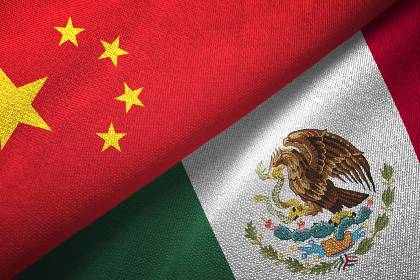
The decision, which includes tariffs of up to 50 percent, has drawn sharp criticism from Beijing and is unfolding amid sensitive trade negotiations between Mexico and the United States.
Steel and auto products among affected products
The new duties will apply to a wide range of goods, including steel and other metals, automobiles and auto parts, textiles and clothing, and household appliances and plastics. Countries without free trade agreements with Mexico will be most affected, including China, India, Thailand, Indonesia and South Korea. Tariff rates will reach up to 50 percent for certain product categories.
The bill in question was first proposed by President Sheinbaum in September this year, as previously reported by SteelOrbis. Specific rates for individual products are yet to be released in the Official Gazette of Mexico.
China condemns tariffs, launches investigation
China’s Ministry of Commerce has strongly criticized the decision, calling the tariffs “erroneous” and urging Mexico to reverse what it described as unilateral and protectionist measures.
According to a ministry spokesperson, China has already initiated an investigation into trade and investment barriers related to Mexico, launched in late September and currently ongoing. While noting that the latest proposal includes more moderate tariff reductions than initially planned for some items, such as auto parts, light consumer goods and textiles, the ministry warned that the measures will still substantially harm affected trading partners, including China.
Implications for USMCA review
Mexican lawmakers argue that the new tariffs will help rebalance trade and strengthen domestic industry, while also laying groundwork for the 2026 review of the United States-Mexico-Canada Agreement (USMCA). The United States has repeatedly called on Mexico and Canada to prevent China and other Asian exporters from leveraging North America’s free trade framework as an export platform.