India’s planned expansion of crude steel production capacity to 300 million mt per year by 2030 is increasingly exposing structural vulnerabilities linked to heavy reliance on imported metallurgical coal, according to analysis by the Institute for Energy Economics and Financial Analysis (IEEFA).
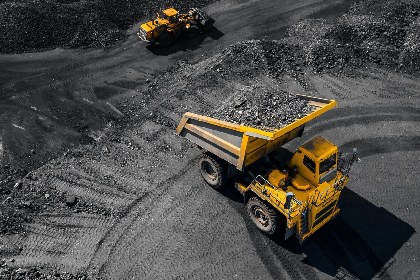
The report noted that nearly 90 percent of India’s metallurgical coal demand is currently met through imports. With approximately 182 million mt per year of blast furnace capacity either planned or under construction, additional coal demand could rise by around 140 million mt annually, increasing exposure to global price volatility and supply disruptions.
Although the government’s Mission Coking Coal initiative targets domestic production of 140 million mt by 2030, projected steel capacity growth is expected to continue outpacing local supply expansion.
Hydrogen-based DRI seen as long-term strategic pathway
IEEFA identifies direct reduced iron-electric arc furnace production as a viable pathway to reduce coal consumption. While gas-based DRI can lower emissions compared with traditional blast furnace production, continued reliance on imported natural gas limits long-term energy security benefits.
In contrast, green hydrogen produced using domestic renewable energy resources is viewed as a more sustainable solution capable of reducing both emissions intensity and raw material import dependence.
Forecasts indicate India’s green steel demand could reach 4.49 million mt by 2030, requiring roughly 5 million mt of hydrogen annually for steelmaking applications alone.
Early industrial deployment begins in India
Industrial implementation of hydrogen-based steelmaking has already started. JSW Energy recently commissioned India’s first commercial-scale green hydrogen facility supplying hydrogen to JSW Steel’s Vijayanagar DRI plant under a long-term offtake agreement supported by the government’s SIGHT incentive program.
Recent competitive tenders have discovered hydrogen prices near $4.67/kg, strengthening expectations that India could become one of the world’s lowest-cost green hydrogen producers during the next decade as renewable energy costs decline.
Export ambitions face logistical and regulatory barriers
Despite ambitions to develop hydrogen export markets, IEEFA highlighted significant challenges related to transportation and certification. Hydrogen exports typically require conversion into ammonia followed by reconversion at destination markets, increasing costs and operational complexity.
In addition, differing international certification systems, particularly the EU’s Renewable Fuels of Non-Biological Origin (RFNBO) framework, continue to limit hydrogen’s emergence as a globally traded commodity. These constraints have already contributed to cancelled hydrogen hub tenders and a policy shift toward prioritizing domestic industrial consumption.
Policy coordination key to scaling green steel production
According to the analysis, deploying green hydrogen within India’s domestic steel sector represents the most immediate opportunity to enhance energy security while advancing decarbonization objectives.
Pilot cooperation initiatives, including India-Sweden projects, are exploring hydrogen applications adapted to local iron ore characteristics and smaller-scale steel operations. Studies suggest hydrogen integration into rotary kiln processes could provide cost reductions and operational flexibility for coal-dependent small and medium-sized producers.
IEEFA concluded that large-scale adoption will depend on coordinated policy measures such as green public procurement mandates, hydrogen purchase obligations, industrial clustering to reduce infrastructure costs, and concessional financing mechanisms aimed at bridging early-stage commercialization gaps.