European industry representatives and trade unions have issued a joint statement calling on the European Parliament, Council of the EU and European Commission to agree on the broadest possible extension of the EU's Carbon Border Adjustment Mechanism (CBAM) to downstream products during ongoing trilogue negotiations.
The signatories include the European Federation of Steel, Tubes and Metals Distribution & Trade (EUROMETAL), Electromechanics Synergy Network, European Steel Tube Association (ESTA), European Non-Integrated Wire Rod Processors Association (EUNIRPA), European Steel Association (EUROFER), European Federation of National Forging Associations (EUROFORGE), European Confederation of Associations of Manufacturers of Insulated Wires and Cables (Europacable), European Aluminium, European Federation of Steel Wire Rope Industries (EWRIS), Federation of the European Cookware, Cutlery and Housewares Industries (FEC), Metal Packaging Europe, Steel for Packaging Europe and industriAll European Trade Union.
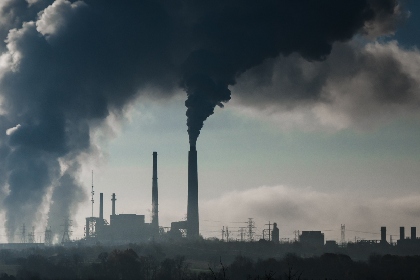
EU ETS free allowance phaseout raises concerns over carbon leakage
According to the statement, extending CBAM coverage is necessary to protect European industrial value chains, investments and employment against carbon leakage and competition from imported products that are not subject to equivalent carbon costs.
The signatories warned that European manufacturers face increasing carbon costs throughout steel- and aluminum-intensive value chains, while competing finished and semi-finished products imported from third countries may continue to enter the EU market without bearing comparable costs.
These risks will become more pronounced as free emissions allowances under the EU Emissions Trading System (ETS) are gradually phased out. Broader CBAM coverage would help address differences in carbon costs between European manufacturers and competing imports.
Downstream steel and aluminum sectors face import competition
Several downstream sectors exposed to competition from carbon-intensive imports include energy, automotive and other mobility applications, machinery, construction, packaging, clean technologies and defense. Other affected sectors include household appliances, cookware, cutlery, catering equipment, hand tools and other metal products.
Products included within CBAM's scope would benefit from more balanced competitive conditions, while products excluded from the mechanism could face greater risks of import substitution and production relocation to countries with lower carbon costs. The organizations therefore called on EU policymakers to build on the positions adopted by the European Parliament and Council and ensure comprehensive coverage of downstream products in the final agreement. They also urged the EU institutions to prioritize European industrial production, investment and employment, emphasizing their importance for the region's economic security, industrial competitiveness and climate transition.