The European Steel Association (EUROFER) has called for stronger global climate action, competitive clean electricity prices and measures to stimulate demand for low-carbon steel, warning that climate targets alone will not be sufficient to achieve industrial decarbonization.
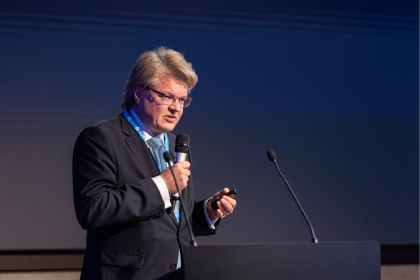
Speaking at the 31st United Nations Climate Change Conference (COP31) in Antalya, Turkey, EUROFER director general Axel Eggert emphasized that differences in climate policies and carbon costs between major economies continue to threaten the competitiveness of European steel producers. Major economies must strengthen their climate commitments and narrow the gap in carbon costs to enable industrial decarbonization without encouraging production to relocate to countries with less stringent environmental regulations, according to EUROFER.
European low-carbon steel projects could reduce annual carbon emissions by 80 million mt
More than 60 low-carbon steel projects are planned or underway across Europe, with the potential to reduce annual carbon emissions by approximately 80 million mt by 2030, provided that the necessary investments materialize, according to the association. However, the transformation could require approximately 165 TWh of fossil-free electricity annually, including electricity needed to produce 2.12 million mt of hydrogen.
European energy-intensive industries currently face electricity prices two to three times higher than those of major international competitors, EUROFER warned. Access to competitively priced clean electricity and adequate energy infrastructure is therefore considered essential for industrial decarbonization.
Stronger CBAM protection and continued ETS free allowances urged
Differences in carbon costs between the EU and other major economies could encourage industrial relocation rather than reduce global emissions, the association cautioned. To address this risk, it called for effective carbon leakage protection under the EU Carbon Border Adjustment Mechanism (CBAM), including measures covering European steel producers and downstream industries, as well as a permanent solution for steel exports.
The EU was also urged to maintain free emissions allowances under the Emissions Trading System (ETS) until CBAM can demonstrate that it provides effective protection against carbon leakage. In addition, international carbon markets should deliver verifiable emissions reductions without undermining fair competition, according to EUROFER.
Low-carbon steel demand measures and European-made steel criteria highlighted
Creating markets for low-carbon steel through public procurement, credible product standards and incentives encouraging the use of lower-emission materials is another key priority identified by EUROFER.
The association also called for the EU's proposed Industrial Accelerator Act to ensure that public support for low-carbon steel contributes to maintaining European steel production. In this context, steel originally melted and poured in the EU should be recognized as European-made under the proposed framework, according to EUROFER. Eggert concluded that climate policies must translate into emissions reductions, industrial investment and employment opportunities, rather than the relocation of steel production outside Europe.