Germany-based steelmaker thyssenkrupp has announced that BMW Group will begin sourcing its bluemint® recycled carbon-reduced steel starting in 2026, marking a significant step toward lowering emissions across the automotive value chain.
The material will be used in key components of the BMW iX3, including outer body panels, interior applications and battery housing. Containing a high share of recycled material, bluemint® recycled delivers verified carbon savings compared with conventional steel production, with emissions reductions certified by TÜV Süd.
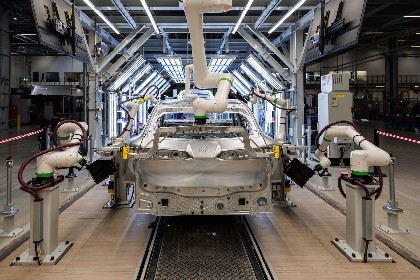
Carbon-reduced steel meets automotive surface standards
Automotive outer body panels traditionally require primary steel produced from iron ore due to strict requirements related to surface quality and formability. According to thyssenkrupp, bluemint® recycled enables carbon-reduced steel to meet demanding O5 surface standards used for visible exterior vehicle components.
The material is produced via the conventional blast furnace route but replaces part of the iron ore input with specially processed scrap. This approach lowers coking coal consumption and associated emissions while maintaining required mechanical performance and surface quality.
Part of Thyssenkrupp’s climate-neutral steel roadmap
Bluemint® recycled forms part of thyssenkrupp Steel’s broader decarbonization strategy. A central element of this transition is the planned introduction of a hydrogen-ready direct reduction plant with capacity to produce up to 2.5 million mt of direct reduced iron annually.
The facility is expected to enable carbon emission reductions of up to 3.5 million mt per year. Thyssenkrupp aims to fully transition its production portfolio to climate-neutral bluemint® steel by 2045.