South Korea-based Hyundai Motor Group has announced that its subsidiary Hyundai Steel has started mass production of carbon-reduced steel plates that cut emissions by about 20 percent compared with conventional blast furnace products, as the company moves to expand its low-carbon material portfolio.
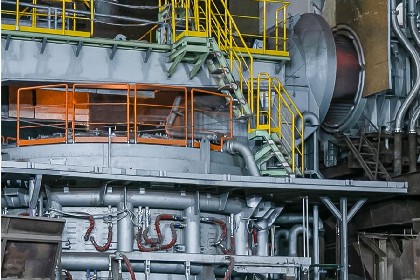
According to the group, the milestone was achieved through a hybrid production route that combines molten iron from both an electric arc furnace (EAF) and a blast furnace. The company stated that this is the first time such a composite process has been deployed at commercial scale to produce carbon-reduced steel plates.
Trials completed and certifications secured
Preparations for the new production route began in April 2023, when Hyundai Steel started testing reduced-carbon steel sheets at its Dangjin Steelworks using an existing electric arc furnace. The trials focused on process stability, productivity and product quality.
Following customer evaluations and grade approval procedures, the company secured certification for 25 steel grades, including two carbon-reduced plate grades now in mass production. Hyundai Steel plans to expand certification to a total of 53 grades by adding 28 more during the year.
Automotive sector to be the first major application
The launch of the mass production system is closely aligned with the decarbonization strategies of automakers within the group. Hyundai Motor Company and Kia Corporation are set to begin using carbon-reduced steel in selected domestic and European vehicle models starting this year.
Hyundai Steel will supply the main automotive sheet grades for these plants in carbon-reduced form, with plans to gradually expand both the range of steel types and the supplied volumes.
Expansion into energy sector
Beyond the automotive segment, the company is also targeting other low-carbon steel applications. It has completed production and evaluation of carbon-reduced heavy plate for offshore wind turbine substructures. Additional global certifications and tests are under way to strengthen the competitiveness of these products in international markets.
Company officials said the composite process will allow Hyundai Steel to respond to rising demand for lower-emission steel across sectors such as automotive and energy.