The Suez Canal Authority (SCA) is increasing transit surcharges for vessels using the canal, citing improving shipping conditions and growing traffic volumes through one of the world's most important maritime trade routes, according to media reports.
The revised charges are scheduled to take effect from July 15, 2026, and will apply to most vessel categories transiting the canal.
In addition, the US and Iran reached a deal yesterday, June 14, reopening the Strait of Hormuz and end the US’ blockade of Iranian ports.
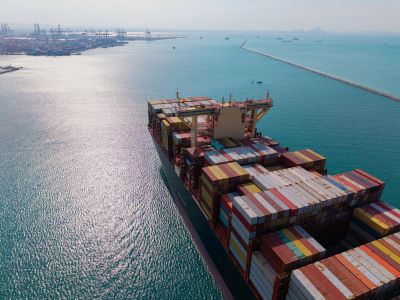
Surcharges to increase for most vessel types
According to shipping industry reports, the SCA will raise transit surcharges by approximately 12 percent for most vessels, with specific rates varying depending on ship type and cargo category. The authority said the adjustments reflect current market conditions and ongoing efforts to optimize canal revenues as maritime traffic gradually returns to normal levels.
The Suez Canal remains a critical route for global trade, handling significant volumes of containerized cargo, energy products and bulk commodities moving between Asia, Europe and the Americas.
Recovery follows easing of regional tensions
The surcharge increase comes as shipping conditions in the Middle East have improved following reports that the US and Iran reached an agreement that includes the reopening of the Strait of Hormuz and a temporary reduction in regional tensions.
The reopening of the strategic waterway has eased concerns over disruptions to global energy shipments and international trade flows.
As security conditions have improved, more shipowners have resumed using traditional routes through the Strait of Hormuz, the Red Sea and the Suez Canal rather than longer alternative routes around southern Africa.
Shipping volumes show signs of improvement
The reports noted that the recovery in vessel traffic has supported the SCA's decision to increase charges. The canal has faced significant revenue pressure in recent years as geopolitical tensions and security concerns prompted many shipping companies to divert vessels away from the Red Sea corridor. The recent improvement in navigation conditions has contributed to increased transit activity and stronger demand for Suez Canal services.