The European Commission is examining potential short-term measures aimed at reducing energy costs for industry, according to an internal document seen by Reuters.
The analysis focuses on several cost components of industrial electricity prices, including energy taxes, network charges and carbon-related costs, as policymakers seek ways to improve the competitiveness of European manufacturers.
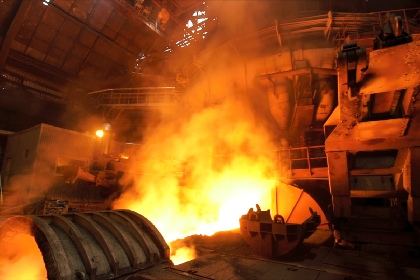
High energy prices weigh on industrial competitiveness
European manufacturers have repeatedly warned that elevated energy prices are undermining their ability to compete with producers in major industrial economies such as China and the US.
The issue has become more pressing following a recent increase in oil and gas prices linked to the conflict involving the US, Israel and Iran, which has added further pressure to global energy markets.
Policy proposals expected before March EU summit
European Commission President Ursula von der Leyen has pledged to present potential policy options ahead of a European Council summit scheduled for March 19.
Discussions among EU leaders are expected to focus on balancing immediate industrial support measures with the bloc’s long-term climate objectives.
Network charges and carbon costs under review
According to the briefing prepared for EU commissioners, Brussels is evaluating various components of industrial electricity bills. Network charges account for approximately 18 percent of industrial electricity costs, while national taxes, levies and carbon costs together represent roughly 11 percent of power expenses. Officials believe targeted adjustments in these areas could help ease cost pressures on energy-intensive industries in the short term.
The Commission also noted that EU member states are not fully utilizing existing mechanisms that could reduce energy costs for companies. These include state aid schemes designed to compensate firms for indirect carbon costs under the EU Emissions Trading System, as well as long-term electricity supply arrangements such as contracts for difference that can provide price stability for industrial consumers.
Demand reduction measures remain a possible option
In addition, policymakers may consider demand-reduction measures if energy supply disruptions intensify. Similar policies were introduced in 2022 when Russian gas deliveries to Europe declined sharply, encouraging both industry and households to reduce energy consumption in response to the supply crisis.