The Coal Association of Canada has called on the federal government to formally designate metallurgical coal as a critical mineral following newly announced export agreements with India.
According to the association, the deals highlight the strategic importance of metallurgical coal for global steel supply chains and reinforce the case for recognizing the resource within Canada’s critical minerals framework.
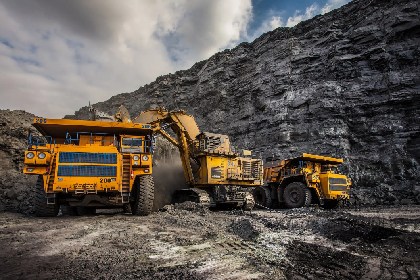
Canada signs new coal export agreements with Indian steelmakers
Under memorandums of understanding (MoUs) signed between Elk Valley Resources, a Canadian subsidiary of Switzerland-headquartered miner Glencore, and Indian steel companies A-One Steels India Limited, Jindal SAW Limited, Shyam Sel & Power Limited and Jayaswal Neco Industries Ltd., around 1.2 million mt of metallurgical coal will be supplied to India. The agreements are valued at approximately C$285 million and are intended to support India’s rapidly expanding steelmaking industry.
India has been increasing steel production capacity and is seeking reliable long-term supplies of high-quality coking coal. Canadian reserves have therefore attracted growing interest from Indian steelmakers and mining companies aiming to secure stable import sources.
Industry highlights strategic role of metallurgical coal
Robin Campbell, president of the Coal Association of Canada, stated that steelmaking coal remains essential for producing infrastructure and industrial goods including bridges, transit systems, wind turbines and medical equipment. Therefore, he argued that the federal government should formally recognize metallurgical coal as a strategic resource. According to the association, several key trading partners already classify metallurgical coal as a strategically important material.
Critical mineral status could support investment and supply security
The association warned that restricting domestic coal production could shift supply toward jurisdictions with weaker environmental and regulatory standards. Granting metallurgical coal critical mineral status could help attract investment into Canada’s mining sector, accelerate permitting procedures and strengthen the country’s position as a reliable supplier for nations seeking to secure steel supply chains.
With global steel demand expected to remain strong in the coming decades, Campbell stated that Canada faces a strategic decision: either position itself as a responsible supplier of steelmaking coal or risk losing investment and employment opportunities to other countries. He added that recognizing metallurgical coal as a critical mineral would support Canadian workers, strengthen international trade partnerships and ensure the resource continues to be developed domestically.