Ukrainian Prime Minister Yulia Svyrydenko has announced that the Ukrainian government has approved a decision to extend existing restrictions on scrap exports through the end of 2026.
Under the decision, a licensing regime with zero export quotas for scrap has been introduced. According to the prime minister, the framework is designed to protect strategic raw materials and ensure they are directed toward domestic processing rather than exported.
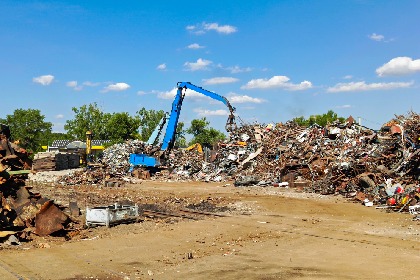
Scrap seen as strategic input for steel industry
Ms. Svyrydenko emphasized that scrap is a critical input for Ukraine’s metallurgical and foundry industries. Despite the export duty currently applied, scrap exports have continued to increase, often being shipped onward to third countries without generating added value for the Ukrainian economy.
In contrast, domestic processing supports employment, generates tax revenues, and supplies materials essential for defense needs and post-war reconstruction. The use of scrap in steelmaking also helps reduce carbon emissions, a growing priority given the European Union’s climate-related requirements.
According to the prime minister, maintaining restrictions on raw material exports strengthens domestic manufacturing, reduces environmental pressure, and enhances the energy security of local communities.
Tax revenue and budget impact highlighted
Ukrainian policymaker Dmytro Kysylevskyy stated that retaining scrap within the country is economically advantageous for the state. He noted that processing one metric ton of scrap into finished products in Ukraine generates around UAH 15,000 ($354) in tax revenues, whereas exporting scrap without duty yields almost no fiscal benefit due to the largely shadow nature of scrap procurement.
Kysylevskyy further argued that exporting scrap to the EU effectively serves as a mechanism to circumvent customs duties, resulting in annual budget losses estimated at around UAH 3.5 billion ($82.51 million). While customs duties on scrap are currently zero in the EU, scrap originating from Ukraine is often re-exported to third countries. According to his estimates, if the 380,000 mt of scrap exported in 2025 were instead processed domestically, the state could receive approximately UAH 5.7 billion ($134.37 million) in tax revenues.