South Korea has introduced a comprehensive support package exceeding KRW 80 trillion ($53.97 billion) to assist its steel sector in managing the impact of the Middle East crisis.
The initiative was announced following a high-level meeting led by Financial Services Commission Chairman Lee Won-geon, with participation from major steel producers, financial institutions, and policymakers.
Rising costs and supply chain pressures
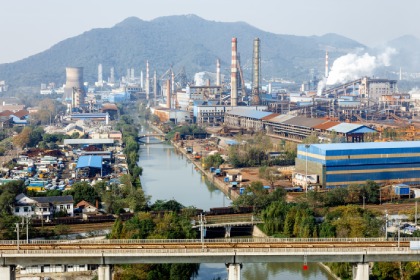
Authorities highlighted that the steel industry is facing increasing pressure from higher energy and logistics costs, supply chain disruptions, and new trade measures from key markets such as the US and EU.
These challenges are also expected to affect downstream industries including machinery and electronics.
Expanded financing and liquidity measures
The support package includes KRW 25.6 trillion ($17.27 billion) in policy financing and more than KRW 53 trillion ($35.75 billion) in private-sector programs.
Financial institutions will expand lending to companies affected by the crisis, while additional measures aim to reduce financing costs in capital markets.
Bond market support and cost reduction
Authorities will ease conditions for P-CBO refinancing and reduce bond issuance costs by around 50 basis points. Market stabilization tools, including bond purchase programs, will be deployed to support both high- and lower-rated issuers.
Support for restructuring and long-term competitiveness
A KRW 1 trillion ($674.62 million) Corporate Restructuring Innovation Fund will be used to support restructuring efforts and enhance long-term competitiveness in key sectors such as steel, semiconductors, automotive, and batteries.
Focus on raw material supply stability
Industry participants raised concerns about raw material supply, particularly oil, amid ongoing disruptions. In response, policy lenders such as the Korea Development Bank and Export-Import Bank of Korea have approved $3 billion in liquidity support for the Korea National Oil Corporation to stabilize supply.
Additional relief measures requested
Companies have called for further support, including lower interest rates and extended loan maturities, as cost competitiveness continues to deteriorate. Authorities noted that targeted programs are already available for SMEs and mid-sized firms, including guarantee schemes and special funding packages.
Ongoing coordination and monitoring
Officials emphasized that close coordination between government, financial institutions, and industry will be essential to manage ongoing uncertainty. Authorities will continue to monitor developments and adjust support measures as needed to safeguard industrial stability and economic growth.