European steel distributors, processors and manufacturers have called for urgent EU action to extend existing steel safeguard measures to downstream steel-based products, warning that the region risks rapid deindustrialization without immediate policy intervention, SteelOrbis heard at the press conference on April 14 organized by EUROMETAL at the Wire & Tube 2026 fair in Dusseldorf.
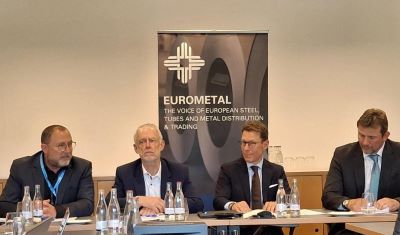
Speaking at the press conference, EUROMETAL representatives said a pan-European initiative backed by more than 300 companies and 35 associations will be submitted to EU member states and the European Commission on April 15. The signatories represent over one million direct jobs across the steel value chain.
Rising import pressure and cost disparities weigh on competitiveness
According to industry representatives, European steel processing and manufacturing sectors are facing increasing pressure from lower-cost imports, particularly from Asia, while domestic producers struggle with significantly higher energy, labor and regulatory costs.
Speakers highlighted that the price gap between Europe and third countries has widened to the extent that productivity gains alone are no longer sufficient to restore competitiveness. As a result, insolvency rates in the sector are rising at double-digit levels, while industrial activity is shifting outside Europe.
At the same time, imports of steel products into Europe are estimated to be increasing by around 20 percent annually, while steel consumption within the region continues to decline, indicating a structural shift in industrial activity.
Safeguards seen as insufficient without downstream coverage
While the EU has implemented safeguard measures and is set to introduce a new framework from July 1, industry participants stressed that current policies focus primarily on primary steel products, leaving downstream steel-intensive goods largely unregulated.
This imbalance is seen as creating a “double pressure” effect on European manufacturers: higher input costs due to safeguards and carbon-related measures, combined with unrestricted imports of finished or semi-finished steel-based products.
Industry representatives warned that protecting only one segment of the value chain risks weakening the entire system, as downstream sectors represent a critical link in Europe’s industrial structure.
Industry calls for full value chain protection
As part of the initiative, EUROMETAL and its partners are calling for trade measures to be extended across the entire steel value chain, including tariffs and quotas on steel-based and steel-intensive products under a broader range of customs classifications.
The proposed measures aim to ensure a level playing field by aligning the cost burden between EU producers and imported products, particularly in terms of carbon costs, trade defense measures and regulatory obligations.
In addition, the industry is urging the expansion of the Carbon Border Adjustment Mechanism to cover downstream steel products, arguing that the current scope does not adequately address carbon leakage risks across the full value chain.
Energy costs and regulatory burden add to pressure
High energy prices were also identified as a major factor undermining competitiveness, with calls for an EU-wide industrial electricity price cap of €0.05/kWh to support energy-intensive industries.
At the same time, existing regulatory frameworks, including CBAM, were described as complex and partially flawed, with industry representatives calling for a pause in new regulations until current mechanisms are revised and simplified.
Risks extend to jobs, economy and strategic autonomy
The industry warned that continued inaction could lead to significant job losses across the steel value chain, which employs around 13.5 million people in Europe.
Beyond economic impacts, speakers emphasized potential risks to Europe’s strategic autonomy, noting that increased reliance on imported steel products could affect critical sectors such as defense, energy and infrastructure.
Campaign to intensify pressure on policymakers
The initiative will be supported by the launch of an online platform, steelindustrynow.eu, which will showcase participating companies and provide further evidence of the sector’s challenges.
Industry representatives stressed that the campaign will continue until concrete measures are implemented, highlighting the urgency of the situation and warning that delays could result in irreversible industrial losses.