ArcelorMittal's cumulative investment in Liberia is approaching $4 billion, covering mining, railway and port facilities, power and social infrastructure, according to ArcelorMittal Liberia CEO Michiel van der Merwe. Speaking at the Liberia International Mining and Energy Conference and Expo, van der Merwe outlined the company's iron ore expansion and infrastructure development plans.
Iron ore exports to exceed 20 million mt in 2027
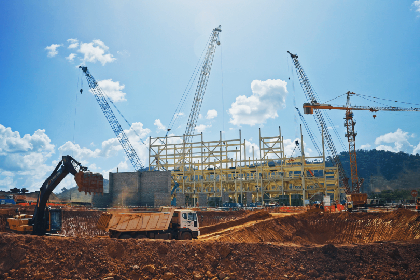
ArcelorMittal Liberia expects iron ore exports to exceed 20 million mt in 2027, compared with less than five million tons in 2024, while its longer-term plans envisage mine production of 30 million mt. The Phase II expansion includes Liberia's first large-scale iron ore concentrator, producing premium concentrate for international steelmakers. The facility will supply existing mills and newer plants using technologies designed to reduce carbon emissions.
Approximately $800 million invested in railway and port facilities
Van der Merwe said approximately $800 million has been invested in rehabilitating and expanding government-owned railway and port infrastructure connecting the company's mines in Nimba County with Buchanan Port. Other mining companies seeking access would need to finance the additional capacity required for their operations, although spare capacity could be used in the meantime.
The CEO reaffirmed support for multiple users on the Tokadeh–Buchanan railway, with the Liberian government determining access. An independent company is expected to operate the railway from 2030 under operating principles currently being formalized.
Long-term agreement supports expansion
In January 2026, ArcelorMittal stated that its $1.8 billion expansion had brought cumulative investment in Liberia to $3.5 billion. The project includes the concentrator, railway improvements, port upgrades and two power plants.
The amended Mineral Development Agreement extends the company's operations to 2050, with a right to renew for another 25 years. ArcelorMittal is also studying further iron ore expansion beyond 20 million tons annually.