Luxembourg-based steelmaker ArcelorMittal's Belgian subsidiary ArcelorMittal Belgium has received the Oceana Frontier, described as the world's first LNG-powered bulk carrier, at its quay in Ghent, marking the first arrival of an LNG-powered bulk carrier for both the steelmaker and North Sea Port. The vessel, carrying iron ore from Canada, arrived in Ghent on September 15.
The Oceana Frontier is one of five vessels in the global fleet transporting raw materials for ArcelorMittal that are currently capable of using LNG as fuel. Following the unloading of its iron ore cargo in Ghent, the vessel will return to Canada to load another shipment for ArcelorMittal Belgium.
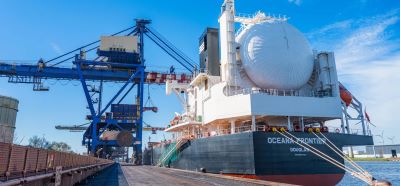
LNG use reduces carbon emissions by about 23 percent
According to North Sea Port, using LNG instead of conventional marine fuels can reduce the vessel's carbon emissions by approximately 23 percent, while also significantly lowering sulphur oxide and nitrogen oxide emissions. On a voyage of around 2,700 nautical miles, the use of LNG is estimated to reduce carbon emissions by approximately 500 mt per trip.
ArcelorMittal considers LNG a transitional solution as it works to reduce emissions associated with the maritime transportation of raw materials. The company is also assessing how newer and more energy-efficient vessels could play a larger role in its raw material logistics in the future.
“With the Oceana Frontier, we are taking a concrete step towards making the transport of our raw materials more sustainable,” Frederik Van De Velde, CEO of ArcelorMittal Belgium, stated, adding that the operation will allow the company to gain experience with a new generation of bulk carriers as part of its efforts to progressively decarbonize its value chain.
Ghent arrival to provide operational experience for other ArcelorMittal sites
The arrival of the Oceana Frontier will also allow ArcelorMittal Belgium to gain operational experience in receiving and unloading LNG-powered bulk carriers, with the knowledge potentially applicable at other ArcelorMittal sites.
North Sea Port has meanwhile been preparing its infrastructure for alternative marine fuels. An independent risk assessment found that LNG, hydrogen, methanol and ammonia can be safely bunkered throughout its port area, including Ghent, Terneuzen and Vlissingen. The port is continuing to develop pilot projects and infrastructure to support the use of these fuels.