Poland has called on the European Commission to intervene after Ukraine abruptly froze exports of ferrous metal scrap, a move that has alarmed both the Polish government and the domestic steel industry and risks opening a new dispute between Warsaw and Kyiv, according to Polish media reports.
As SteelOrbis reported previously, the Ukrainian government approved a decision to extend existing restrictions on scrap exports through the end of 2026. The measure, introduced without a transition period, is aimed at protecting strategic raw materials and ensuring that scrap is directed toward Ukrainian steelmaking and defense-related production rather than exported.
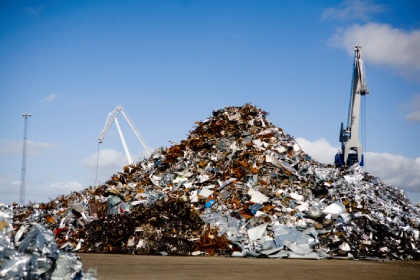
Polish steelmakers face rising costs
The impact of the decision has been particularly pronounced in Poland, which in recent years had been the main destination for Ukrainian scrap exports. Around half of Polish steel production is based on electric arc furnaces, where scrap can account for up to 70 percent of total production costs.
Although Ukrainian scrap represented only around five percent of Poland’s total scrap supply, its sudden removal from the market has already increased price volatility and forced mills to source alternative, more expensive material. Scrap prices are currently estimated at around $200/mt in Ukraine, compared with up to $330/mt in Poland, placing Polish producers at a clear cost disadvantage.
Concerns over competitive distortion
Polish steelmakers warned that the export freeze strengthens the competitiveness of Ukrainian mills, which now benefit from cheaper domestic scrap while continuing to export finished steel products to the EU market. Industry representatives argue that this situation undermines fair competition, particularly as Ukraine is simultaneously seeking preferential access to the EU market and more flexible treatment under the Carbon Border Adjustment Mechanism.
From the Polish industry’s perspective, the combination of restricted raw material exports and continued access to the EU steel market distorts competitive conditions within the bloc.
Warsaw seeks EU intervention
In response, Poland’s Ministry of Development and Technology has formally requested urgent action from the European Commission, calling for diplomatic engagement to prevent further supply disruptions and to protect EU-based steel producers.
Polish industry leaders are also using the dispute to renew calls for a stricter and more uniform EU trade instrument for steel imports that would apply equally to all third countries, including Ukraine, and avoid differentiated treatment.
Broader industrial and political implications
Polish trade unions have echoed industry concerns, warning that higher scrap costs could lead to further steel price increases, reduced output and potential job losses in Poland’s steel sector.
The dispute underlines how raw materials such as scrap are increasingly viewed as strategic assets within Europe’s broader industrial policy and decarbonisation agenda.