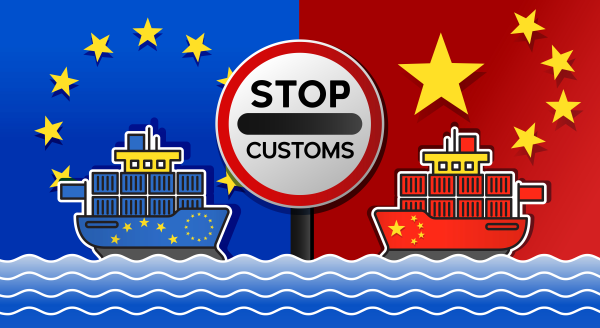
The European Commission is set to introduce tariffs of 25-50 percent on Chinese steel and steel-related products in the coming weeks, according to Reuters, citing German business daily Handelsblatt.
The decision comes amid mounting pressure on the European steel industry, which is struggling with global overcapacity, narrow profit margins, and the cost of decarbonization investments.
Legal context and timing
Earlier this month, Commission President Ursula von der Leyen confirmed that Brussels would propose structural trade measures to support the competitiveness and climate transition of Europe’s steel sector. A new long-term trade instrument is set to replace existing safeguards, which will expire by mid-2026 under WTO rules and cannot be extended further.
Tariffs’ impact on trade
China remains the world’s largest steel producer, accounting for over half of global output. As its domestic economy slows, particularly due to a prolonged property sector slump, Chinese mills have been intensifying exports to compensate.
Analysts expect China’s steel exports to grow by four to nine percent in 2025, reaching 115-120 million mt, a record level. Meanwhile, Chinese exports to the EU totaled around 368,000 mt in 2024, about four percent of China’s total steel exports, according to data from the China Iron and Steel Association.
While tariffs of 25-50 percent are expected to be symbolically powerful, analysts believe their direct impact on the Chinese steel industry will be limited given the relatively small share of EU-bound exports.
However, the tariffs would contribute to a global wave of protectionist actions against Chinese steel. Since 2024, 54 new tariffs and trade barriers have been launched worldwide against China’s steel exports.