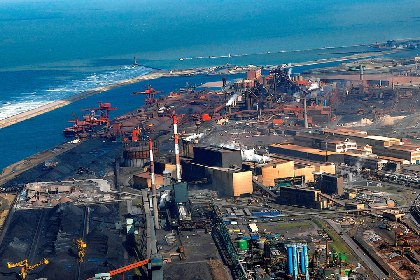
Luxembourg-based steel producer ArcelorMittal has confirmed the construction of a new electric arc furnace at its Dunkirk steelmaking site in France, representing a strategic investment of €1.3 billion aimed at significantly reducing the carbon footprint of its operations.
The new EAF, with an annual capacity of 2 million mt, is scheduled to start operations in 2029. The facility is expected to produce steel with roughly three times lower carbon emissions than conventional blast furnace production, at around 0.6 mt of carbon dioxide per mt of steel, using a charge mix of scrap, hot briquetted iron or direct reduced iron, and hot metal. Half of the project’s funding will be supported through France’s Energy Efficiency Certificates scheme, which incentivizes energy savings and emissions reductions.
Policy support and low-carbon power underpin investment decision
The company stated that recent regulatory developments at the European level have helped create the conditions necessary to move forward with the investment. These include measures to curb unfair imports through the tariff rate quota system and ongoing reforms to the EU’s Carbon Border Adjustment Mechanism.
ArcelorMittal also highlighted the importance of securing long-term supplies of low-carbon electricity through a contract with French energy company EDF, describing the agreement as a key pillar of its energy strategy in France. Company executives added that the combination of improved trade protections, CBAM implementation, and competitive low-carbon power supplies has restored confidence in the European steel market.
Additional investment in electrical steel production at Mardyck
In addition to the Dunkirk EAF, ArcelorMittal is also starting up a new electrical steel production unit at its nearby Mardyck plant, as SteelOrbis reported previously. The €500 million investment will expand the company’s product range to support electrification in industrial and automotive sectors and represents its largest non-decarbonization investment in Europe over the past decade.