According to the United Nations Conference on Trade and Development (UNCTAD), ongoing geopolitical tensions in the Strait of Hormuz have caused severe disruptions to global maritime trade, with significant implications for energy markets, freight costs and supply chains.
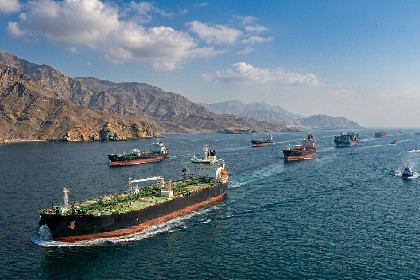
UNCTAD stated that the Strait of Hormuz remains one of the world’s most critical maritime chokepoints, handling around 25 percent of global seaborne oil trade along with substantial volumes of liquefied natural gas (LNG) and fertilizers.
Ship traffic collapses, energy flows at risk
According to UNCTAD data, daily ship transits through the Strait dropped by approximately 97 percent in early March compared to February averages, highlighting the severity of the disruption. The organization emphasized that energy supply risks are particularly acute for Asia, which accounts for more than 80 percent of crude oil and LNG flows through the route.
Energy prices surge amid supply concerns
UNCTAD reported that oil and gas markets reacted immediately to the disruption. Between February 27 and March 9, oil prices increased by 27 percent, with Brent crude exceeding $90/barrel, while gas prices surged by 74 percent.
The agency noted that higher energy prices are expected to feed into broader cost pressures, including transport, fertilizers and food.
Freight, fuel and insurance costs spike
According to UNCTAD, shipping costs have risen sharply following the escalation. Tanker freight indices increased significantly, while bunker fuel prices nearly doubled in a short period.
In addition, war risk insurance premiums for vessels have surged, increasing voyage costs from around $250,000 to as much as $1 million for a $100 million vessel, depending on risk levels.
Fertilizer trade disruptions raise food security concerns
UNCTAD highlighted that around one-third of global seaborne fertilizer trade passes through the Strait of Hormuz, making disruptions particularly critical for agricultural markets. The organization warned that reduced fertilizer availability and rising gas prices could lead to higher fertilizer costs, which historically correlate with increases in global food prices.
Developing economies face heightened risks
According to UNCTAD, the current disruption comes at a time when many developing economies are already facing high debt burdens and limited fiscal capacity. The agency stated that rising energy, transport and food costs could intensify economic pressures, particularly in countries heavily dependent on imports of fuel, fertilizers and staple foods.
Outlook depends on duration of disruption
UNCTAD indicated that the overall global impact will depend on the duration and scale of the disruption. The organization emphasized the need for continued monitoring and for safeguarding maritime transport routes in line with international law.