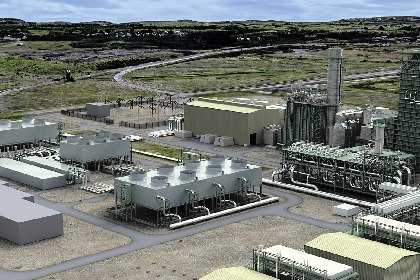
The UK-based trade association UK Steel has raised concerns following reports that British multinational oil and gas company BP has awarded a contract for approximately 7,000 mt of steel for the Net Zero Teesside carbon capture, utilization and storage (CCUS) project to a Chinese supplier, despite the project benefiting from substantial taxpayer and consumer support.
Net Zero Teesside is one of the UK’s flagship clean energy developments, intended to support jobs, investment and long-term industrial capability in the Teesside region. According to UK Steel, the reported procurement decision calls into question whether publicly supported projects are delivering maximum value for the UK economy and domestic supply chains.
Call for alignment with industrial policy
Gareth Stace, director general of UK Steel, described BP’s reported decision to source steel from China rather than from nearby UK producers as “deeply disappointing”, adding that such an outcome should not occur on a major project backed by public funds.
UK Steel underlined that the UK government has repeatedly emphasized the importance of supporting domestic industry, strengthening national supply chains and recognizing steel as a strategic asset. In this context, the association argued that projects receiving public support, including through Contracts for Difference funded by taxpayers and consumers, should be expected to reflect these policy commitments in their procurement practices.
Public funding and domestic supply chains
The trade body stressed that procurement choices on publicly backed infrastructure projects have direct implications for employment, industrial capability and the long-term resilience of the UK steel sector. It warned that sourcing key materials overseas risks undermining domestic production at a time when the industry is facing intense competitive pressure and is being asked to invest in decarbonisation.
Industry seeks clearer enforcement framework
UK Steel called for clearer expectations and stronger enforcement mechanisms to ensure that publicly supported developments contribute to UK steel production, jobs and industrial capacity. The association added that it stands ready to work with government and project developers to help ensure that future projects align more closely with national industrial and supply-chain objectives.