US President Donald Trump has announced via social media that he has dropped plans to impose additional tariffs on a number of European countries in connection with the dispute over Greenland.
In a statement shared via social media following a meeting with Mark Rutte, secretary general of NATO, Trump said that a preliminary framework has been established for a prospective agreement covering Greenland and the wider Arctic region. He added that, if finalized, the arrangement would serve the interests of both the US and NATO member states as a whole. On this basis, he has decided not to proceed with the tariffs that had been scheduled to take effect on February 1.
Tariff measures would have targeted multiple European countries
As previously reported by SteelOrbis, the US administration had announced plans to impose an additional 10 percent tariff on all goods exported to the US from Denmark, Norway, Sweden, France, Germany, the United Kingdom, the Netherlands and Finland starting February 1, 2026. The tariff rate was set to increase to 25 percent from June 1, 2026, and to remain in force until an agreement was reached on the complete purchase of Greenland by the US.
European Parliament maintains cautious stance on trade deal
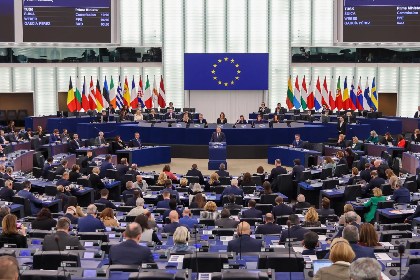
Despite the withdrawal of the tariff threat, the European Parliament has signaled continued caution regarding progress on the EU-US trade agreement. Prior to Trump’s latest announcement, the Parliament had indicated that it would suspend work on the trade deal in response to the proposed tariffs. However, the Parliament recently announced that it has decided to suspend work on the EU’s trade agreement with the US until further notice.
Bernd Lange, chair of the Parliament’s International Trade Committee and standing rapporteur for the US, said that, while it is positive that the additional US tariffs are off the table for now, there is no room for complacency. He noted that very few details are currently known about the proposed Greenland arrangement between the US and the NATO chief, and stressed that the EU requires greater clarity before deciding how to proceed with the implementation of the EU-US trade agreement.