According to media reports, the delivery of a large electric arc furnace to steelmaker Tata Steel UK’s Port Talbot facility in Wales has been delayed due to rising shipping costs linked to geopolitical tensions in the Middle East, though the overall project timeline remains unaffected.
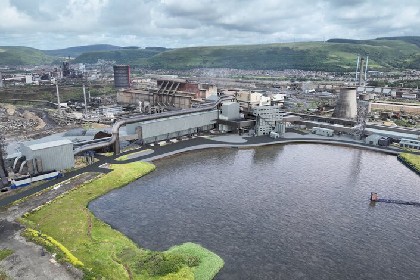
The company stated that, despite delays in the transportation of key equipment, its £1.3 billion redevelopment program at the site continues to progress as scheduled. Other phases of construction and installation are ongoing, allowing the project timeline to remain intact following the shutdown of the coal-based blast furnaces around 18 months ago. The delay is expected to last several weeks, though shipments are still anticipated to arrive during the summer as planned.
Equipment supply and logistics challenges
The EAF, which is expected to have an annual production capacity of approximately 3.2 million mt, is being supplied by Italian plantmaker Tenova. Some critical sections of the furnace are being produced in China, which has been identified as the only location capable of manufacturing specific components required for this type of installation.
Shipping costs have increased sharply in recent weeks, driven by higher fuel prices and disruptions to key maritime routes. As a result, vessels carrying the EAF components are being rerouted away from the Red Sea and the Suez Canal due to security risks, including ongoing concerns over regional instability, piracy and attacks on shipping. The alternative route via the Cape of Good Hope significantly extends transit times and contributes to higher freight costs.
Broader concerns over supply chain exposure
According to Tata Steel, the reliance on non-European components reflects technological constraints, while over 10,000 mt of steel for the project is being sourced domestically in the UK. The UK government has introduced several new policies to protect local steelmakers, as recently reported by SteelOrbis.
However, the disruption highlights ongoing concerns regarding the UK steel sector’s exposure to global supply chain risks, as well as rising energy costs linked to geopolitical instability.