ROGESA, a subsidiary of German steel plate producer Dillinger Group, has announced plans to build an innovative scrap processing facility in Dillingen, Germany, as part of efforts to increase recycled steel usage in the production of high-quality low-carbon steel.
The new facility is scheduled to enter operation in the second half of 2028 and will process shredded steel and iron scrap, commonly referred to as shear scrap. The project is designed to improve scrap quality through advanced sorting technologies, enabling greater use of recycled materials in steelmaking applications that require strict quality standards.
AI and X-ray systems to improve scrap quality
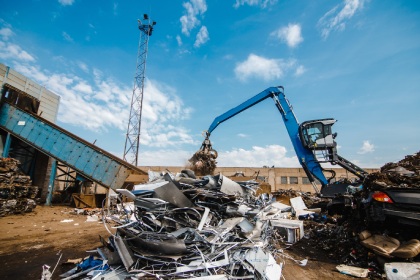
A key feature of the project is the integration of artificial intelligence-based object recognition and X-ray analysis technologies into the scrap processing workflow. These systems will help identify and separate impurities from incoming scrap streams, particularly free copper traces that present one of the biggest challenges in producing high-grade steel from recycled materials.
According to ROGESA, the technology is expected to reduce copper contamination in shear scrap by approximately 30 percent. This improvement will allow steelmakers to increase scrap utilization rates while maintaining the product quality requirements of premium steel grades.
Higher scrap usage expected to reduce raw material demand
The project supports the growing shift toward circular steelmaking and increased scrap consumption in electric arc furnace-based production. By improving scrap quality, ROGESA aims to maximize the use of recycled steel and reduce reliance on direct reduced iron (DRI) and other virgin raw materials. The company estimates that the facility will save approximately 63,000 mt of DRI and other primary raw materials each year.
Beyond material savings, the project is expected to generate substantial environmental benefits. ROGESA estimates that the advanced processing facility will reduce annual energy consumption by up to 16 gigawatt-hours compared to conventional processing methods. In addition, annual carbon emissions are expected to decline by as much as 76,000 mt, supporting both corporate and national decarbonization objectives.
German government supports pioneering recycling project
Germany’s Federal Ministry for the Environment has awarded €2.8 million in funding to support the initiative through its Environmental Innovation Program. The ministry identified the project as a pioneering demonstration initiative that exceeds current industry standards and showcases innovative technologies with broader application potential.