The US-Israeli military strikes against Iran, which started on February 28, and Iran’s subsequent retaliation, have naturally created a tense situation in the Gulf, affecting operations in many industrial segments in the regions. The impact has already been seen in the oil and gas sector and the disruptions of maritime activities in and around the region have already been reported. In terms of steel and raw material shipments, there is a potential impact in terms of disruptions of deliveries from Iran itself, mainly to Asia, while the situation in the Strait of Hormuz is likely to result in delays of shipments destined for ports in the Gulf. If the war continues, the situation may lead to higher steel prices in the region, especially for material ready on the ground since buyers may need to restock to replace the volumes for which they had previously placed import orders, the deliveries of which end up being delayed. If the situation is not resolved in the near term, some cargoes may be redirected to alternative destinations, which will also affect steel market prices, at least temporarily.
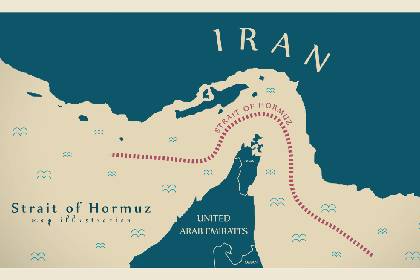
Currently, passage through the Strait of Hormuz is blocked, though there has been no official closure. However, the number of vessels opting for this route has declined significantly. “Transportation is basically stopped today, but it looks like a short-term stoppage,” one international trader said. At present, there are vessels stuck on both sides of the straight as transportation is risky and several ships have already been attacked.
Major large Asian steel exporters polled by SteelOrbis state that they see major risks for the steel market from the rising tensions between Iran and Israel and the US in the region, in terms of increasing freight rates, a lower number of cargoes available for the Asia-Middle East route and possible transportation delays. “Due to increased regional risks, shipping costs have risen by 15 percent to 20 percent... Product prices in China remain stable. The current price adjustment is strictly related to transportation costs,” a representative of a major Chinese exporter said. Another large trader commented to SteelOrbis, “We have already seen freight increase, but most vessel owners will take one to two days to settle prices amid the current risks. Other impacts still need more time to be seen.”
Market sources said that, today, freight rate assessments for the China-Turkey route for a 40,000 mt vessel start from $40/mt, versus the previous $35/mt.
Another important issue resulting from the attacks on Iran is the expected deferring of shipments of steel, semis in particular, that have already been booking in the Middle East or in Asia. “I know that buyers are waiting for some large lots of Iranian billets. They may be cancelled, as no one knows about the consequences [of the escalation of the conflict]. But there is no news about this for now,” a Southeast Asian source commented. Shipments of materials destined for the region, especially to countries enclosed within the Gulf, are also likely to be jeopardized. Specifically, market players expect steel billet and flats shipments to be impacted as the region is a large importer of both.
As for the regular steel market activity, regional sources have not yet reported any major change, stating that construction projects are mainly being carried out as planned, but of course, if the situation worsens, things might change. "It is too early to tell. There could be a slight slowdown of activity, but it depends on how long this lasts. Today is the first day after the weekend, and 90 percent of project sites are working normally," one source in the UAE told SteelOrbis.